The Recovery Process After Getting Tooth Implants
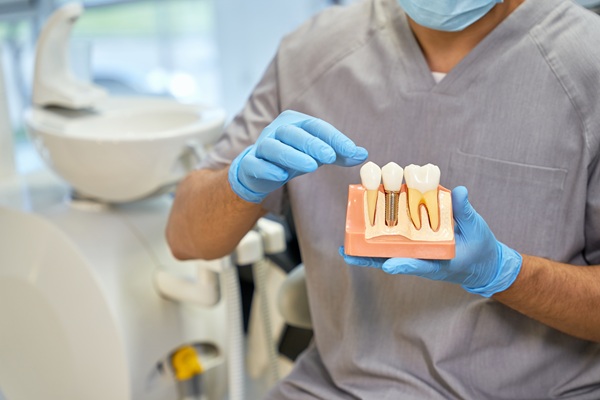
Getting tooth implants is not the final phase of an implant restoration procedure. The stage is simple, but the recovery period can be uncomfortable. This part of the implant process is the time for the mouth heals and fuses to the implant post. The following guide covers what to expect during recovery and the steps to take in the event of a complication.
Recovery after tooth implants
Placing dental implants is a major procedure; therefore, it is normal that patients will require downtime. The following symptoms are not the results of complications or adverse reactions. They are simply part of the recovery process, regardless of the type of tooth implants, whether single or full mouth implants. Patients need to practice good oral care and follow instructions.
Potential side effects after the procedure include:
- Fever
- Bleeding
- Inflammation
- Discomfort
- Dizziness
- Nausea or vomiting
Fortunately, most of these symptoms improve with adequate rest and patience.
Whether the dentist completes the procedure in one or multiple stages, patients may experience discomfort, as is the case with many dental procedures. The discomfort could be swelling of the face and gums, bruising of the gums and skin, pain around the implant area, and minor bleeding.
Pain relievers or antibiotics might be required after the implant procedure. If pain, swelling, or other symptoms worsen in the days after, patients should inform the dentist immediately. After each stage, it is advisable to eat only soft foods until the implant site heals completely. Typically, the dentist will use self-dissolving stitches; otherwise, they will remove them later.
The duration of recovery
Complete recovery from anesthesia takes a few hours. The stitches typically dissolve within a few days to about two weeks. The post-procedural symptoms will appear and disappear, and the next phase of recovery can start.
A process called osseointegration must occur before placing a permanent restoration. It takes longer for the upper jaw to fuse than the lower arch. This process can last from five to seven months.
Since every patient is different, it is hard to predict the precise duration of recovery. Factors that determine the rate of recovery include:
- The number and position of the implants
- The quality of oral care
- Smoking habits
- The need for a bone graft or sinus lift
- The timeline of the missing tooth
The more implants that the dentist places, the longer the healing time. The bone and gums experience significant stress during the procedure. The location is also crucial, as teeth in the lower jawbone often heal faster than those in the upper jawbone.
Proper oral hygiene before and during the implant procedure is crucial for quick recovery. However, smoking and other tobacco use can inhibit recovery, since nicotine causes constriction of the blood vessels and limits the free flow of blood. In the long-term recovery, it may even lead to implant failure.
Call our Oaklyn office to talk with our team
Do you have further questions for the Shari L. Hyder, DMD team about recovery from tooth implant surgery? We are here to help. Call our Oaklyn office today for more tips on the healing process or to schedule a follow-up appointment.
Request an appointment here: https://hyderdentistry.com/ or call Shari L. Hyder, DMD at (856) 626-5047 for an appointment in our Oaklyn office.
Check out what others are saying about our dental services on Yelp: Tooth Implants in Oaklyn, NJ.
Related Posts
While dental implant placement is one of the most effective ways to replace missing teeth, there are some scenarios in which these implants cannot be placed. Because dental implant placement requires surgery, there are a few general contraindications that may interfere with the procedure itself. When considering all of the tooth replacement options, it is important…
A general dentist can solve sudden or worsening tooth pain. In many cases, it is common to look online to "find a dentist near me" in response to unexpected tooth pain, such as when you are out of town or between dentists. Streamlining the search can help you get the prompt treatment you need. The…
Prevention is the best form of protection, which is why easy access to a general dentist is crucial. Many people begin their search with "find a dentist near me" to rule out who is outside the distance they are willing to travel at least twice a year. However, this only provides so much information. You…
For those considering cosmetic improvements to their smile, typing "find a dentist near me for cosmetic procedures" can be an easy and effective way to begin research. Still, before beginning a search, it is important to know what to look for and where. Luckily, the internet puts most of the information you need at your…